BIOGRAPHY
Over a number of years, Peter Baert, the Belgian composer and recording artist, built music in service of other people’s stories. Working across advertising, film, and television, composition became a way for him to lend emotional shape to narratives conceived elsewhere.
Baert’s brand new solo album, This Fragile World, marks the first time those musical instincts have been turned fully inward, the layers of his life peeled back and explored, building instrumental work where the emotional centre lies within his own personal experience. Formed of twelve deeply moving new pieces, This Fragile World is a record shaped by grief, memory, patience and renewal; a collection that draws from a lifelong relationship with classical music as well as Baert’s experimental approach to sound that has defined his work over the years.
The album’s language is recognisably acoustic: piano, strings, subtle electronics, field recordings and carefully sculpted ambience resonate throughout, however the album’s aesthetics lie closer to that of a producer than a traditional composer.
“This is music that resonates with me but that I don’t hear so much. It’s an honest, human made album.”Peter Baert
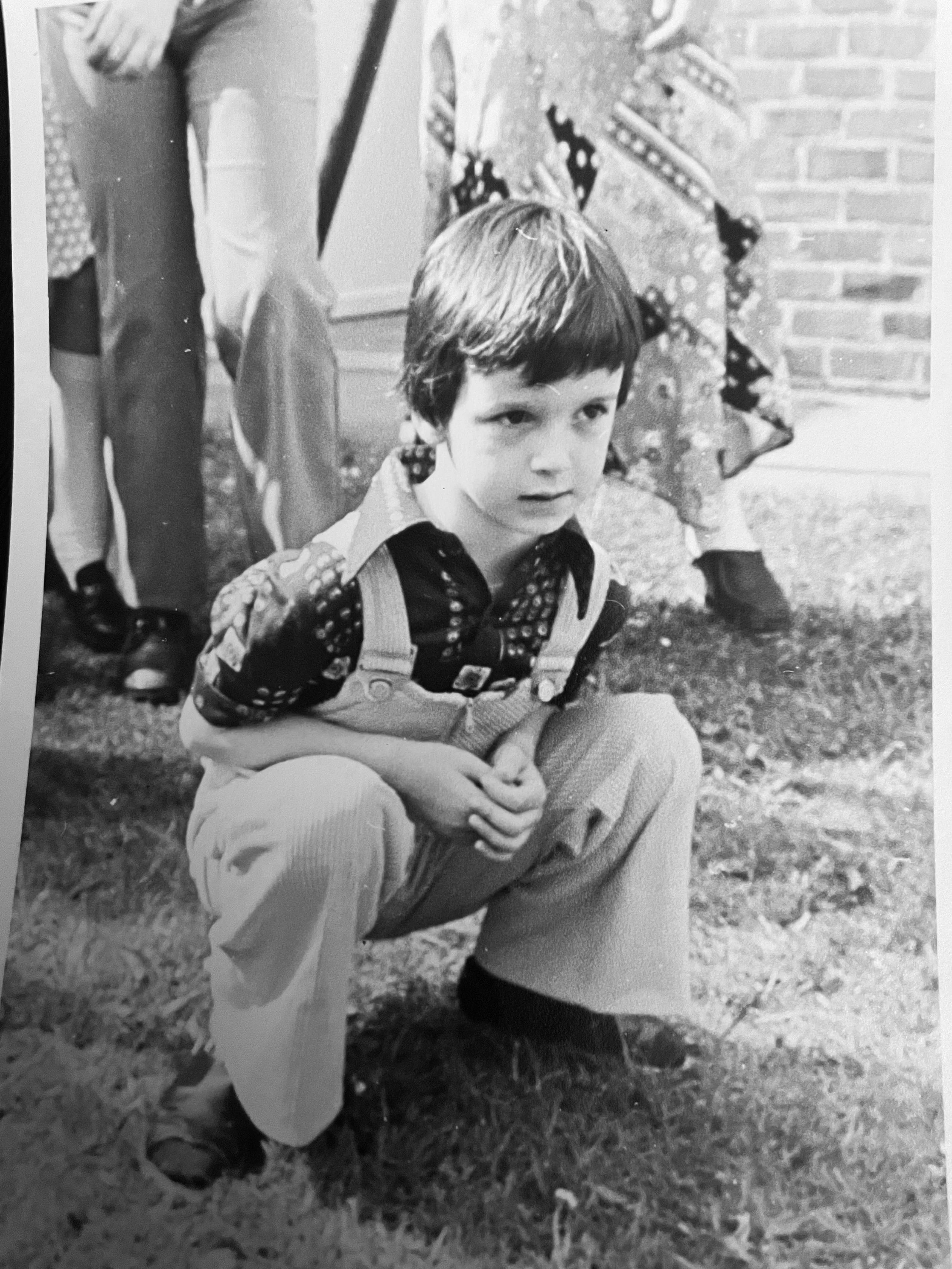
Raised on the Belgian coast, in what Baert affectionately describes as “a sort of Von Trapp family,” classical music was part of Peter’s daily life from the start. His father was both a distinguished organist and director of a music school, and he fostered an environment where performance and composition were woven into everyday experience. Yet rather than following a conventional conservatory path, Baert gravitated towards film school, discovering the nuances of sound design and electronic production. Early releases under his Petersonic alias found an audience through their inventive manipulation of rhythm and texture, leading to performances across Europe.
Those records also established a working method that remains central to This Fragile World. During those years, Baert developed a compositional process known as ‘Human Randomness’, assembling performances through intuitive editing rather than strict adherence to rules. Instead of treating technology as a means of achieving precision, it became a way of preserving imperfection. Baert’s hand remained visible, allowing instinct to override symmetry, and always seeking emotional balance.
Life, however, redirected the music. Following the death of Baert’s mother in 2008, composition gradually became inseparable from a broader process of personal transformation. Years of self-inquiry, philosophy and meditation opened a different relationship with creativity, reconnecting Peter with the classical tradition that had quietly remained beneath the surface of his work.
Then, in 2019, another loss changed everything.
The death of Peter’s father led to the untangling of a complicated relationship that he’d been sitting with for a long time. Despite the loss, music began arriving with an unusual immediacy. Some pieces appeared almost fully formed, as though waiting to surface. ‘The Journey’ was written only days after his father’s passing, emerging in a single flow, bypassing the painstaking construction that usually accompanied his composition. Other works unfolded more slowly, Peter returning to them over the following years as their emotional meaning shifted with the passing of time.
In 2020, Peter began to work with the Brussels-based orchestral ensemble Echo Collective, but the album remained unfinished, the overtly emotional nature of the work holding memories that still felt impossible to release into the world. Rather than forcing completion, Baert allowed the recordings to evolve. Some were dismantled into ambient studies before eventually finding their way back to their original forms. New sessions followed over several years, in Brussels and later in Budapest with a full string orchestra, gradually revealing the album that had existed in fragmented form all along.
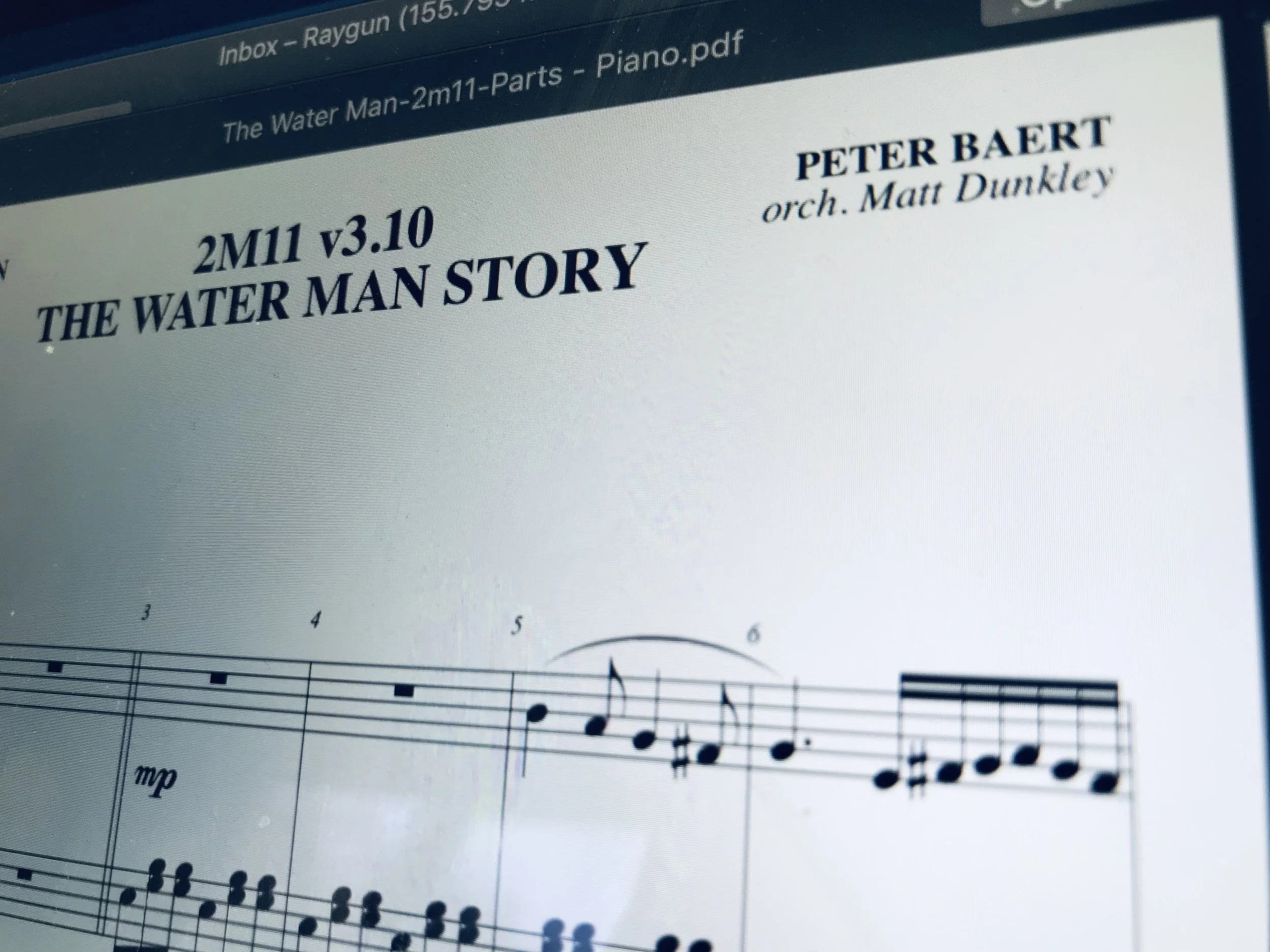

Throughout that process, Echo Collective’s Neil Leiter became an essential collaborator. His insistence that the piano be played rather than programmed proved especially significant. Although Baert has long viewed the piano primarily as a compositional tool, those performances became some of the album’s most intimate moments, preserving the vulnerability that lies at its core. The result is an album that neither dramatises grief nor seeks resolution, choosing instead to linger in uncertainty, allowing silence, space and resonance to carry as much meaning as melody.
That restraint extends to the album’s sonic world. Improvisation and meticulous construction exist side by side. A vocal performance by Témé Tan dissolves into an evolving drone beneath ‘Lament’, while an improvisation of a Fender Rhodes passing through an endless delay becomes the foundation for another composition. Throughout the record, sounds drift between their original identities, transformed through layering and subtle manipulation until they feel suspended in the heavy haze between memory and presence.
The influence of composers such as John Cage, Jóhann Jóhannsson, A Winged Victory for the Sullen, and particularly Ryuichi Sakamoto, can be sensed throughout This Fragile World, yet the record never feels indebted to a single lens, instead coming alive within its own space between composition, production, and contemplation.
Though it was born from overwhelmingly personal roots, This Fragile World reaches towards something shared: the understanding that grief, tenderness, and impermanence belong to everyone. Peter Baert has described it simply as “a human record to the fullest.” “The title points to it,” he explains. “It’s about fragility, and the tenderness that comes from knowing things don’t last.”
“This album is also for my children, a message I am leaving for a future version of them. In these songs I am reflecting on how they might hear their father in the music and, at the same time, feel the love that I have for them.”From the liner notes
In a musical landscape increasingly shaped by speed and certainty, This Fragile World offers something quieter, gently revealing a body of work that was formed by vulnerability; a musical journey that rewards close listening, and finds unexpected beauty in the delicate, unpredictable, and fleeting nature of simply being alive.